B1. Creating Project and Adding Well Data
B1. Creating Project and Adding Well Data: Login to the newvision system by entering your login and password. The home page opens. On the home page, click the nv.design module…
Login to the newvision system by entering your login and password.
 Select image to enlarge
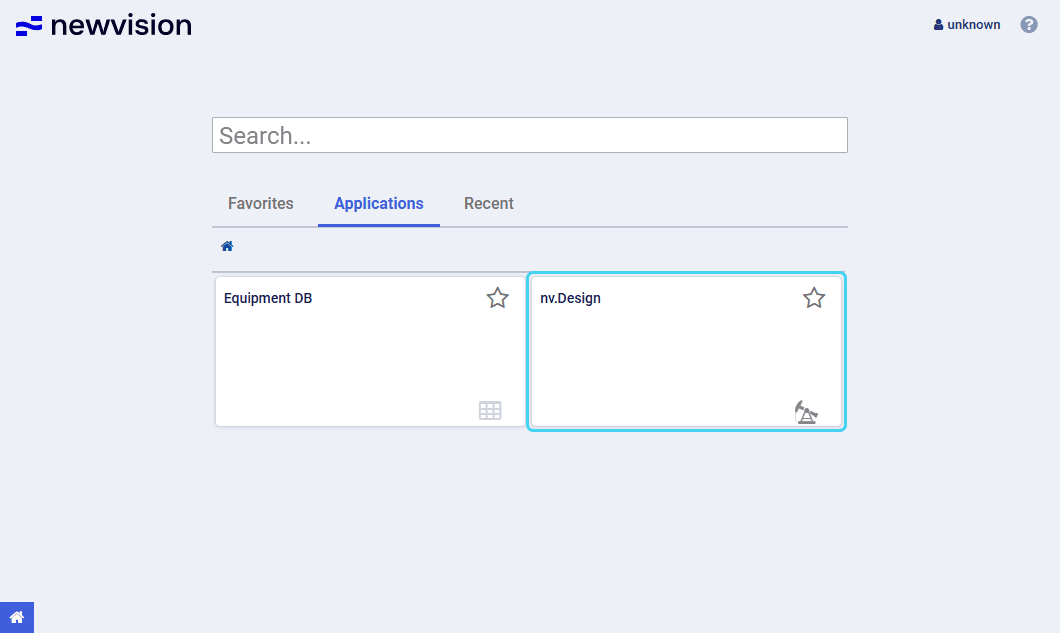
The home page opens.On the home page, click the nv.design module tile.
 Select image to enlarge
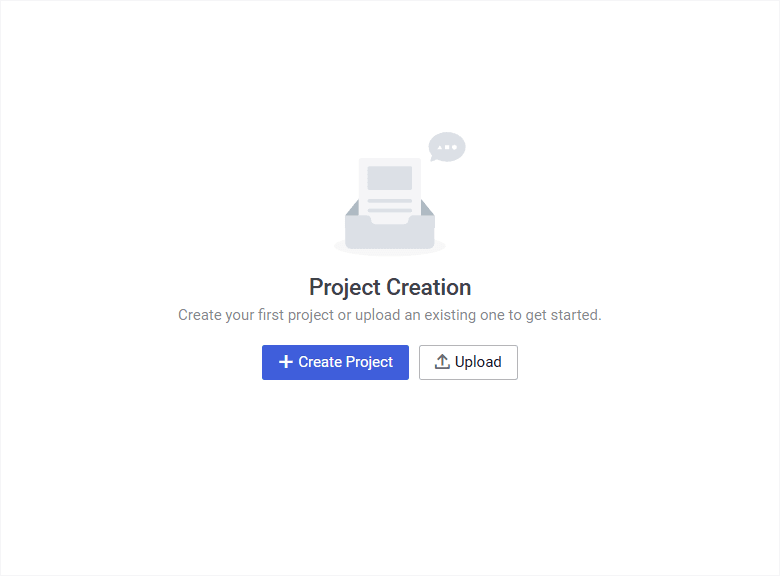
The Project Creation window opens.
In the Project Creation window, click Create Project (
 ) .
) . Select image to enlarge
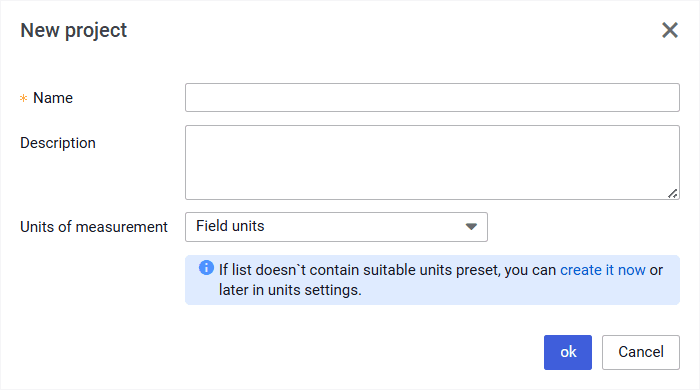
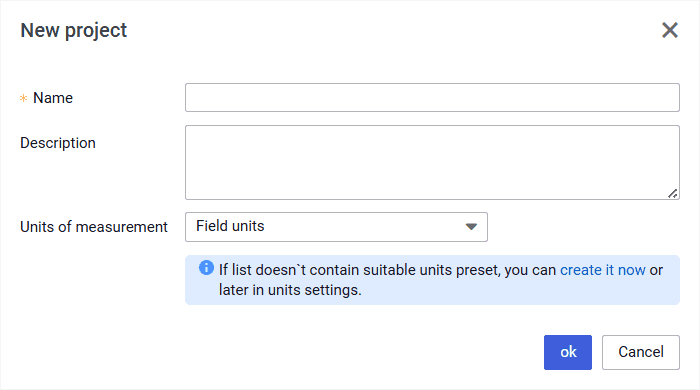
The New project window opens.
In the New project window, fill in the Name field, select a measurement system from the Units of measurement list or create a custom set of units, and then click ok .
 Select image to enlarge
The created project opens with a default case created automatically.
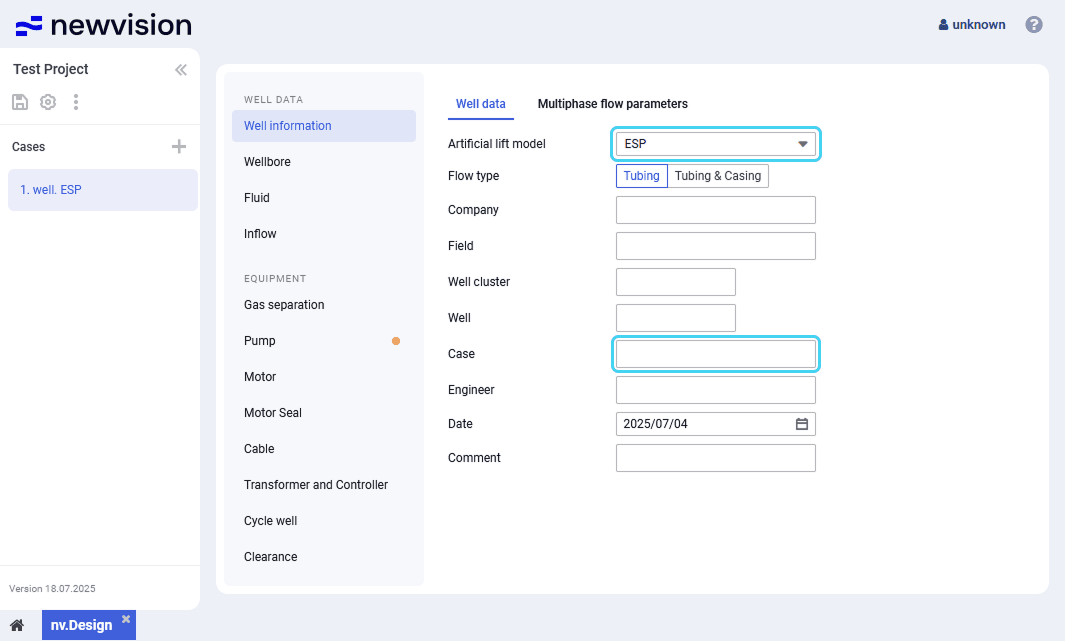
In the Well information section, on the Well data tab, from the Artificial lift model list, select ESP , and then, in the Case field, enter a name for the new case.
 Select image to enlarge
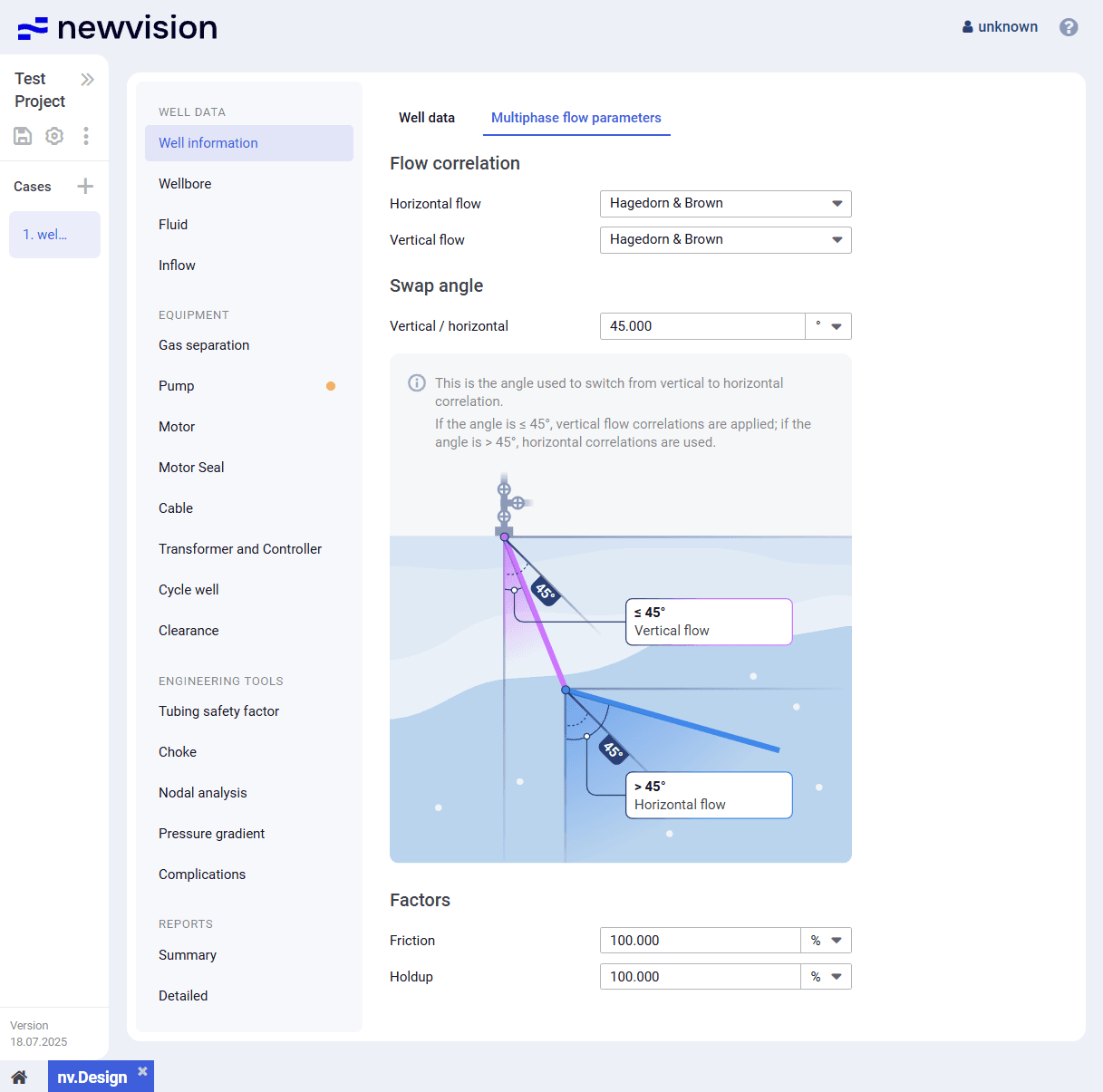
In the Well information section, on the Multiphase flow parameters tab, select the horizontal and vertical flow correlations, and, if needed, change the transition angle and/or friction and holdup factors. For details, see Multiphase Flow Parameters.
 Select image to enlarge
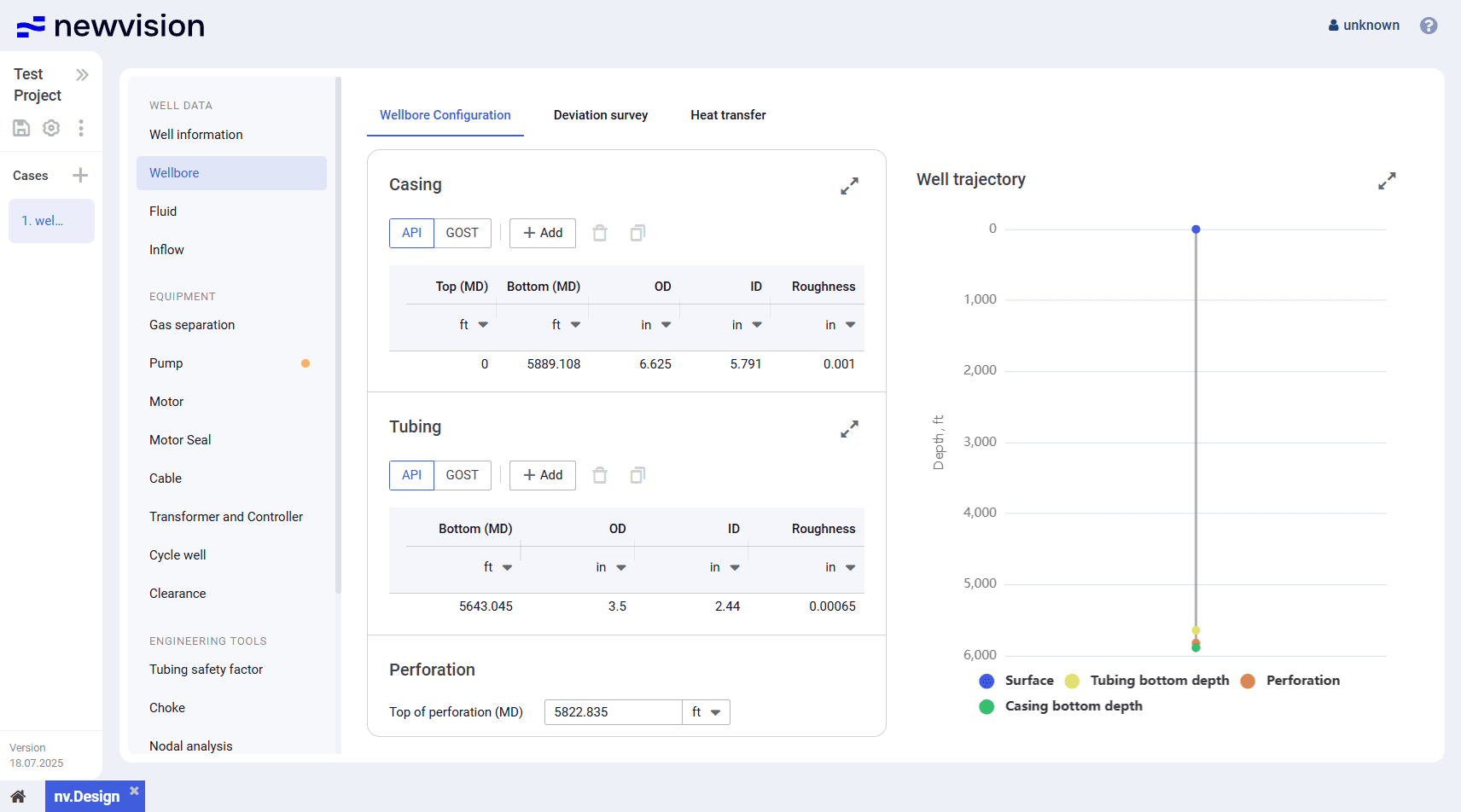
In the Wellbore section, on the Wellbore configuration tab, configure the casing and tubing data and fill in the Top of perforation field.
 Select image to enlarge
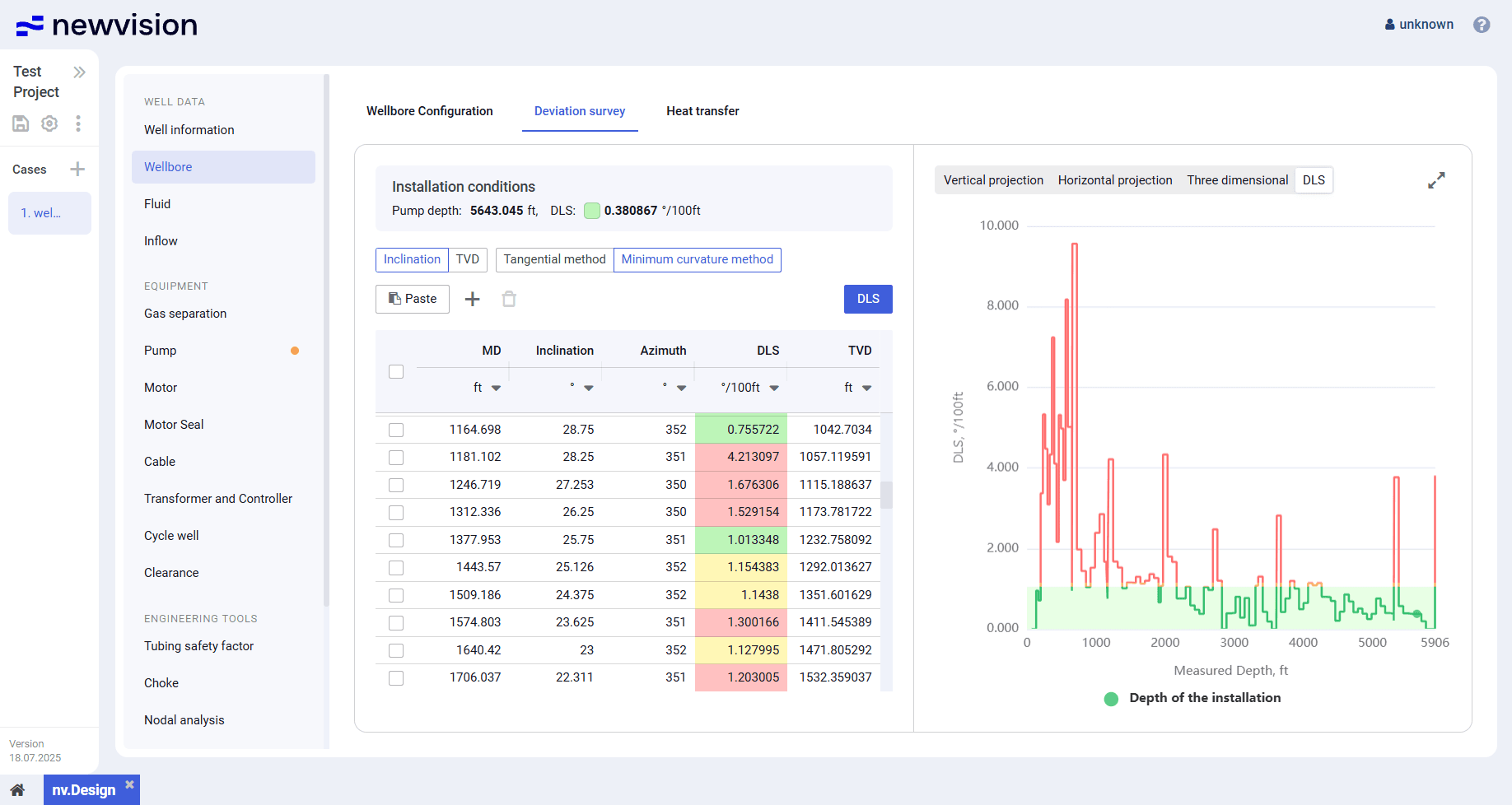
In the Wellbore section, on the Deviation survey tab, configure maximum allowable dogleg severity and deviation survey parameters.
 Select image to enlarge
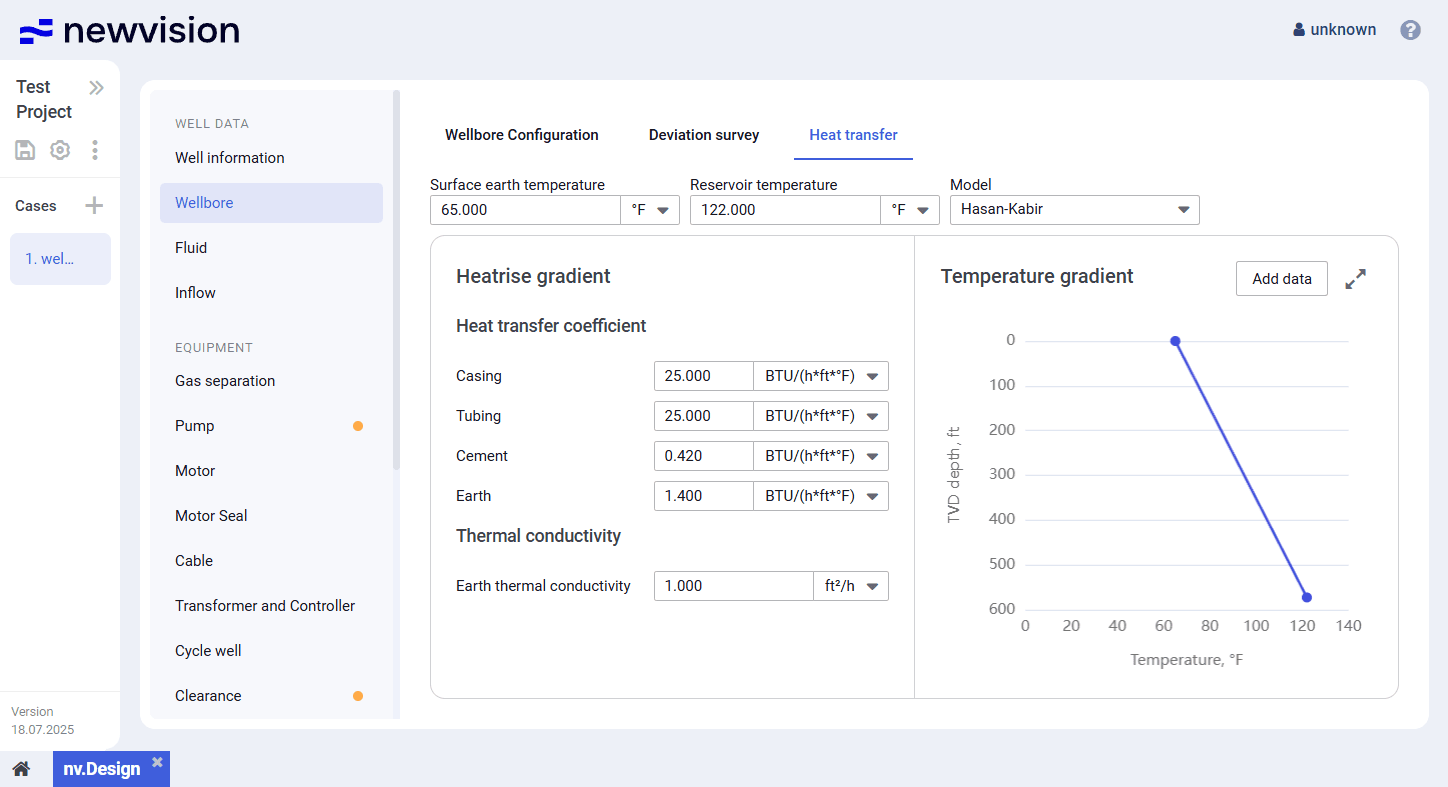
In the Wellbore section, on the Heat transfer tab, configure the temperature parameters and add well test data for building the well temperature profile.
 Select image to enlarge
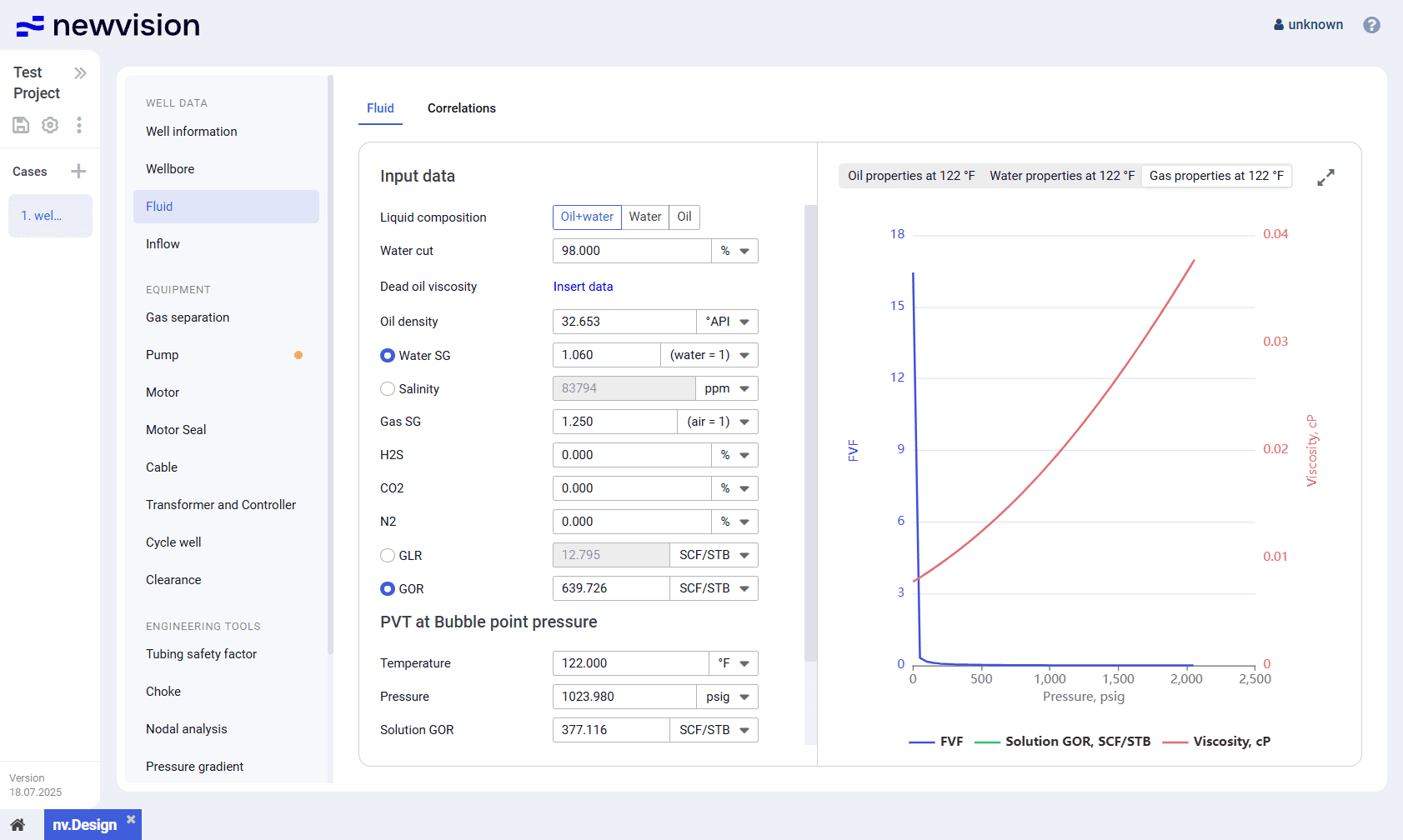
In the Fluid section, configure the well fluid PVT properties and correlations used for their calculation. For details, see Configuring Fluid PVT Properties.
 Select image to enlarge
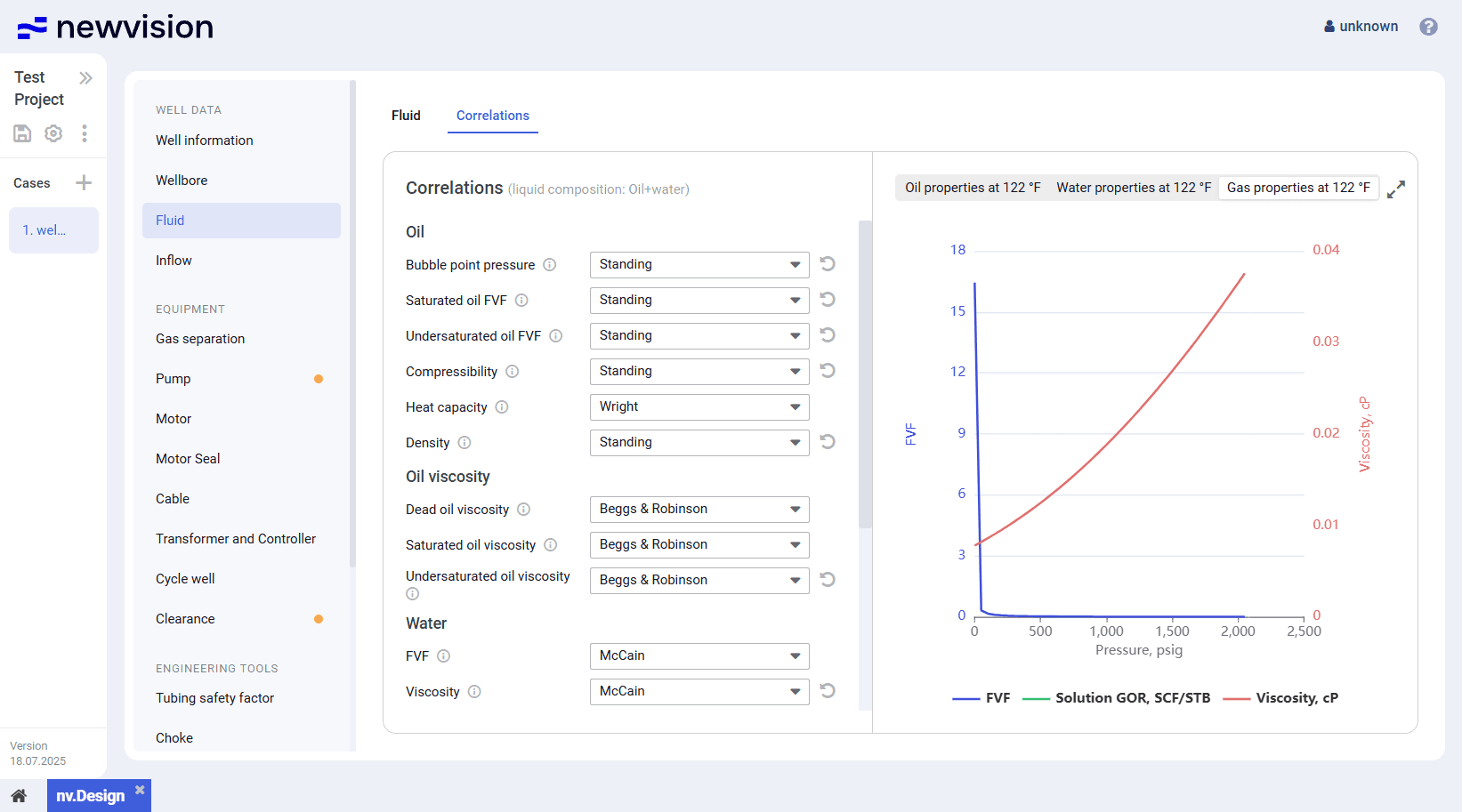
In the Fluid section, on the Correlations tab, select desired correlations from the corresponding lists. For details, see Appendix A: PVT Correlations.
 Select image to enlarge